Multicultural Marketing News February 2025 February is Black History Month In this issue: Multicultural Marketing News presents newsmakers and experts as featured on multicultural.com in our Experts Directory. Newsmakers and experts - Beyond Nationality: Widening the Lens of Black History (Ethnic Technologies)
- Marketers & Decision Makers: Do not be complicit. Do not give up. (C+R Research)
- Black Representation Matters in Media (C+R Research)
- The Black Diaspora Story You’ve Been Missing (Ebony Marketing Systems)
- Black Girl Magic: Honoring the Accomplishments of Black Women in Healthcare (Fingerpaint Multicultural)
- The Importance of Creating In-Culture Media That Appeals to Black Gen Z Audiences (Horowitz Research)
- Celebrating Black History Month 2025: The Future of Inclusive Marketing in a Shifting Landscape (NRS Digital Media)
- Black Gamers: A Powerful Yet Underrepresented Force in the $58.7B Industry (Sparkle Insights, Inc.)
|
|
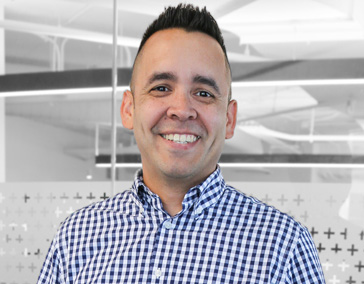
Beyond Nationality: Widening the Lens of Black History The United States is a melting pot (or more appropriately a “salad bowl”) and the same can be said for our Black history. Across U.S. history, figures of diverse nationalities and cultural backgrounds have participated in the shared fight for Black liberation alongside those whose ancestors have been here since before the nation’s founding. Emiliano Mundrucu: Born in 1791, Emiliano Mundrucu settled in Boston after fighting for Black independence in his native Brazil. He made history by becoming the first plaintiff to legally challenge segregation in transportation in the U.S., after his wife and daughter were denied access to the “whites only” cabin on a Massachusetts steamboat ride. Arturo Schomburg: An important figure in the Harlem Renaissance, Puerto Rican-born Arturo Alfonso Schomburg backed the Puerto Rican and Cuban independence movements as a young man in New York City in the 1890s. His political and academic leanings and his interest in the “global Black experience” were shaped by the racism he experienced growing up in Puerto Rico. Babatunde Olatunji: Nigerian-born drummer Babatunde Olatunji studied at Morehouse College in the 1950s, where he joined “a generation of Africans” fighting for racial justice in the U.S. While protesting segregation on public buses, he and his friends discovered they were not forced to sit in the back of the bus when wearing African clothing, only when wearing Western clothes, further highlighting the arbitrary nature of racial segregation. Market to the diversity of the Black experience with E-Tech: Black Americans are not a monolith. Ethnic Technologies offers more than 50 distinct African American subgroups, helping marketers deliver culturally relevant campaigns that resonate with specific audiences. Reach out to learn more about our product offerings. Sources: https://remezcla.com/lists/culture/afro-latinos-contributions-us-history-literature-culture/ https://www.weallgrowlatina.com/7-afro-latinas-that-werent-mentioned-in-your-history-books/ https://unidosus.org/blog/2024/06/18/commemorating-and-learning-our-shared-history-juneteenth-emancipation-and-afro-latino-abolitionists/ https://nmaahc.si.edu/latinx/arturo-alfonso-schomburg https://artsandculture.google.com/story/caribbean-spirit-caribbeing/PwWhmgHkqqcfJA?hl=en https://www.caribbiznetwork.com/blog-full/20-caribbean-americans-in-us-black-history https://www.bbc.com/news/world-africa-53985119 Connecting Decolonization in Africa and the US Civil Rights Movement By Naaborko Sackeyfio-Lenoch The Interconnectedness of Black Liberation: The Cross-Political Relationship of African and African American Leaders in the Struggle for Independence and the Civil Rights Movement (1950–60) Mina Yakubu By Amalia Tsiongas, Director of Research & Product Development, Ethnic Technologies, amalia@ethnictechnologies.com. View company profile here |
|
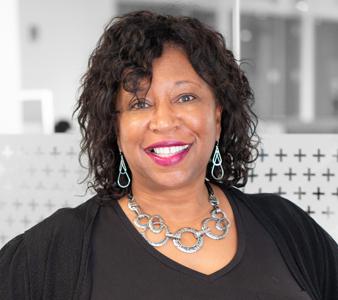
Marketers & Decision Makers: Do not be complicit. Do not give up. As if four centuries were not enough, today’s crazy world is flush with pushes from various sides to erase diversity and inclusion efforts across our nation. By force. Through hatred. Fueled by racism. Much like the identities and the freedom of Black Africans were stripped from them by force, through hatred, and fueled by racism (yes, that part should never be ignored, thus the need to write it twice), what is happening around us today is also an attempt to demoralize, minimize and eliminate. It is hard not to have a political tone today when ‘politics’ has engulfed almost every aspect of our society. Unjustly, unfairly, and in ill-conceived ways. But make no mistake, while this opinion is not about politics, Marketing, Business, and Politics are intertwined, for good or for bad. As actors in the marketing and business fields and in the society we are part of, it is our responsibility to stand up to what is wrong, even through small actions. It’s not rebellion, it’s determination and the pursuit of truth, no matter how uncomfortable it may be. This year (and from here on out), you should work towards and commit to figuring out the best way for your organization to honor the history of Black people and to celebrate their contributions to our society. You ask, “How?” Here are two simple ideas: read and listen. - Read. For starters, Read about Dr. King, Rosa Parks, Frederick Douglass, and Harriet. Don’t let their stories get lost. Don’t ignore the past, don’t fall prey to the temptation of ignoring the hardships of the Black community throughout our history.
- Listen. Listen to the current voices within the Black community to help you get more grounded on what they are experiencing today. There’s no shortage of bright and talented experts to look to for guidance. You can start with our CultureBeat team—a talented group of multicultural experts. LinkedIn offers a selection of people whose posts and ideas keep me informed, grounded and curious: Dr. Deann Butler, Kai Fuentes, Charmaine Simpson, Sharon Hurley Hall, and Elizabeth Leiba.
Keep honoring and observing Black History Month! Do not succumb to the senseless calls to reduce the realities of Black people in our nation’s history! Do not be complicit. Do not give up. In the long run, your brand, your company, and your marketing will be more successful. By Jorge Martínez-Bonilla, SVP, CultureBeat, a division of C+R Research, jorgem@crresearch.com. View Profiles here and here |
|
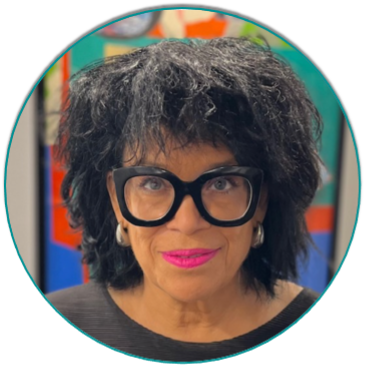
Black Representation Matters in Media Authentic representation matters greatly for all communities, and especially the Black community. The growing trend of diminishing investment in DEI has fueled skepticism about the sincerity of brands’ desire to cultivate allyship with the Black community. KUDOS to a few of the brands that have elected to continue their commitment to DEI: Costco, Apple, Ben & Jerry’s, and e.l.f. Beauty are among them. The Black community is extremely proud of their rich and diverse culture. They love when brands use media to acknowledge, celebrate, and show their appreciation of them. Successful marketing efforts start with a deep dive into the reality of this cultural group to ensure that their voices are heard and respected. Authentic representation shows respect for the community and acknowledges their $1.98 trillion in buying power. Here are a few ways to show authentic representation of the Black Community: C+R’s CultureBeat team invites you to join us as we aspire toward a future where every community is seen, heard, and valued. We eagerly look ahead with hope and determination. May the lessons of history guide us, and the promise of what lies ahead inspire us. Here’s to a future where authentic representation thrives, and everyone has the opportunity to share their unique stories. By Angela Roberts, Vice President Administration + Project Support, C+R Research/CultureBeat, angelar@crresearch.com. View Profiles here and here |
|
The Black Diaspora Story You’ve Been Missing I would put in any multicultural marketer’s hands, the novel, Homegoing by Ghanaian-American Yaa Gyasi. Beginning with two sisters, growing up in Ghana in Colonial times — one lives her life in Ghana while the other is sent into slavery in the United States – you then follow seven generations living the Black Diaspora. When I recommended this book for two agency presidents – who were not people of color – their feedback as “I knew but I didn’t know.” At Ebony Marketing Systems, we specifically recruit to capture the ongoing diaspora. Were you born in the U.S.? remains a highly relevant question. A critical consideration with the Black market, not just the AAPI or Hispanic market. A Black Latino is different from a U.S. born Black who is different from a Black Caribbean, or a Black born in Africa. A recent faith and spirituality project dramatized that for me with disparate views on faith across these different groups. You need to bring that “where are you seated in culture” mentality to Black multicultural marketing. In Homegoing, a high school history teacher in 1980s Ghana, reminds his students and ourselves “…you must always ask yourself, Whose story am I missing? Whose voice was suppressed so that this voice (the voice that has the power) could come forth? Once you have that figured out, you must find that story, too. From there, you begin to get a clearer, yet still imperfect, picture.” Contact Kai Fuentes at Ebony Marketing Systems for a conversation to learn even more. Specialties: multicultural market research including Black, Hispanic/Latino and Asian/Pacific Islander; understanding multicultural intersexuality; qualitative and quantitative research methodologies; small business ownership work/life balance; corporate mindfulness By Kai Fuentes, CEO and President, Ebony Marketing Systems, kfuentes@ebonysystems.com. View company profile here |
|
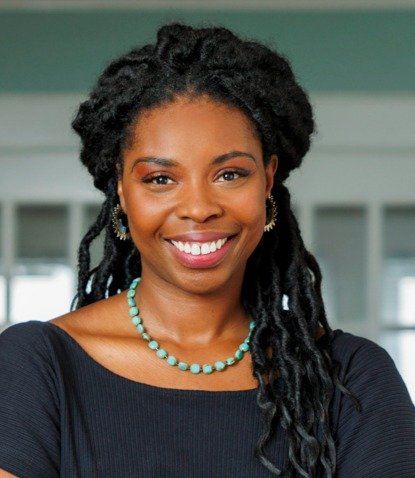
Black Girl Magic: Honoring the Accomplishments of Black Women in Healthcare In pharmaceutical marketing, the patient journey is at the center of everything we do. This Black History Month, we celebrate the groundbreaking journeys of Black female pioneers in healthcare—women whose resilience and brilliance have reshaped medicine, often against incredible odds. In just 180 years, their contributions have transformed the landscape of health for all people. BLACK GIRL HISTORY: From enslaved Black women whose bodies were exploited without consent to advance modern gynecology to Dr. Kizzmekia Corbett, the scientist behind the COVID-19 vaccine, Black women have been at the heart of medical progress. Their legacy includes best-selling authors and doctors leading the charge for health equity, shaping the playbook that guides healthcare professionals today. But the story is still unfolding. The next frontier for Black women in healthcare is FemTech, an industry revolutionizing how health information reaches people where they live. Black female entrepreneurs are driving change through digital platforms designed for Black communities, offering culturally competent healthcare guidance at a time when trust in the medical system is more critical than ever. BLACK GIRL FUTURE: Innovators like the women behind Health in Her Hue and the Irth app ensure that Black women’s voices are heard, advocate for better maternal health, and push for systemic changes to address racial biases in medicine. Their work is not just about technology—it’s about redefining access and empowerment. From the past to the present and into the digital future, Black women continue to lead the charge in transforming healthcare. Their magic is undeniable. If you want to learn more about reaching a multicultural audience through the proprietary lens of Pharmacultural® marketing, there’s only one agency you should talk to. Fingerpaint Multicultural who is behind some of the largest and best performing US multicultural campaigns in the pharmaceutical industry. By Lisa Llewellyn, SVP Group Creative Director, Fingerpaint Multicultural, lllewellyn@fingerpaint.com. View company profile here |
|
The Importance of Creating In-Culture Media That Appeals to Black Gen Z Audiences Media plays a powerful role in uplifting the voices and stories that represent diverse and multicultural communities. In celebration of Black History Month, this is an important moment to recognize Black content creators who are shaping Black culture today. Younger Black audiences, in particular, are heavy consumers of in-culture media, according to our recent study, FOCUS Generation Next. A full 7 in 10 Black Gen Zers say that at least half or more of the media they consume specifically targets their cultural identity. Compared to Gen Zers overall, Black Gen Zers are more likely to use streaming services like Tubi, Pluto TV, Starz, and BET+ that offer a wide selection of content catering to Black audiences. This underscores the importance of developing culturally resonant media that appeals to young Black viewers. Investing in research will help brands, marketers, and advertisers understand and engage with multicultural audiences in meaningful ways. By Adriana Waterston, EVP and Insights & Strategy Lead, Horowitz Research, A Division of M/A/R/C Research, adrianaw@horowitzresearch.com. View company profile here |
|
Celebrating Black History Month 2025: The Future of Inclusive Marketing in a Shifting Landscape As we celebrate Black History Month in 2025, we do so against the backdrop of a significant shift: the recent executive action rolling back DEI programs. This action raises questions about the future of corporate commitments to diversity, the visibility of diverse voices, and the future of our country. The role of marketers in amplifying and fostering authentic connections with Black communities is imperative not just for our country and culture, but for our businesses and economy. While policies may change, the need for brands to engage meaningfully with multicultural audiences does not. Diversity of the workforce throughout all levels of a company has been shown to increase productivity and revenue by as much as 19% when compared to non-diverse companies (Forbes), and Black consumers represent over $1.8 trillion in buying power as of 2024 (McKinsey). Research continues to show that diverse audiences favor brands that reflect their values and experiences. Without formal DEI initiatives, forward-thinking marketers must take the lead—ensuring Black voices are not just acknowledged during February but represented year-round. This moment calls for a deeper, more intentional approach to multicultural marketing. Brands can show their commitment by investing in Black-owned businesses, ensuring representation in creative and media strategies, and leveraging platforms that reach Black consumers authentically—whether through in-store digital media, community partnerships, or culturally relevant storytelling. As the landscape shifts, marketing remains a powerful force in shaping narratives and driving change. This Black History Month, and beyond, let’s ensure that progress is not just a campaign but a commitment. By Christina Grommon, Senior Manager of Strategy, NRS Digital Media, christina.grommon@nrsplus.com. View company profile here |
|
Black Gamers: A Powerful Yet Underrepresented Force in the $58.7B Industry The U.S. gaming market is valued at $58.7 billion, with Black gamers making up 15% of the player base, yet their segment potential remains untapped. Black gamers are highly engaged and influential; 77% of Blacks are likely to play games, compared to 62% of Whites (GamesIndustry.biz). This highlights their strong presence and purchasing power within the gaming market. Studies also reveal that Black creators have generated over $91,000 more in media value compared to their peers between 2020-2022 (Adage). Prominent influencers like CoryxKenshin and Sirlionhart have cultivated large, engaged followings across platforms such as Twitch and YouTube. Partnering with these influencers gives brands the opportunity to tap into a loyal, passionate community and connect with a highly influential audience. For brands looking to engage the Black gaming community, the key takeaway is that diversity is not just about inclusion—it’s a valuable economic opportunity. By prioritizing authentic representation and building relationships with Black creators, companies can connect with an innovative, culturally influential, and economically impactful audience. A prime example of this is Dove’s collaboration with Open Source Afro Hair Library: Code My Crown, the world’s first free guide for coding textured hair and protective styles in video games—ushering in more accurate, true-to-life depictions of Black hairstyles in 3D. Black gamers’ influence extends beyond gaming into industries like fashion, music, and social media. Brands should consider cross-industry collaborations to create culturally aware marketing strategies. Platforms like YouTube and Twitch, where Black creators are highly active, offer unique opportunities to engage audiences through long-form content, live-streamed events, and interactive gaming experiences. Rather than focusing on one-off campaigns, brands should look to build long-term relationships with Black gamers. Supporting Black creators and fostering authentic, consistent connections will help establish loyalty and trust, leading to more sustained engagement with this influential community. By Iris Yim, Chief Strategist and Principal, Sparkle Insights, iris@sparkleinsights.com. View company profile here |
|
| Would you like to see your company POV featured in our next theme newsletter? If you are interested in including your paragraph and logo in our next issue of Multicultural Marketing News/MMRNews ($425), please visit here for more information or sign up here or contact Lisa Skriloff at 212-242-3351 or Lisa@multicultural.com. Participation is free to organizations featured on multicultural.com. Sign up here to feature your organization/company on multicultural.com. Next Issues: March 2025 Newsletter Women’s History Month Deadline for reservations: March 4th Deadline for copy March 7th Create your Listing and Order here For more info about participating in this newsletter email Lisa@multicultural.com. To see upcoming newsletters view our 2025 Editorial Calendar. Weekly and monthly banner sponsorships of the newsletter and stand-alone eblasts to our subscriber list are available. To learn more about newsletter advertising visit here and for all advertising opportunities visit here. Need more info? Visit here or email Lisa@multicultural.com or call 212-242-3351. |
|
| About This Newsletter Multicultural Marketing News (MMRNews), is a free e-mail newsletter published by Multicultural Marketing Resources, Inc. (MMR) and sent to approx 7,400 subscribers. For a free subscription, sign up here. |
|
|