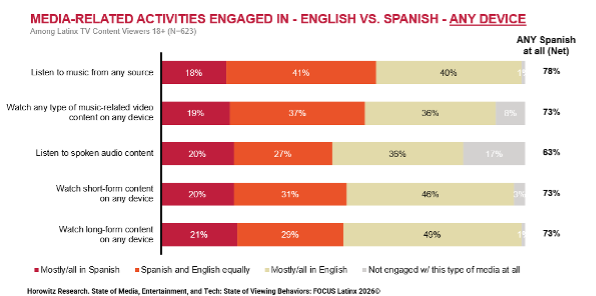
America Wants Our Culture. Are We Ready to Champion the People Behind It? If 2026 earns a cultural shorthand, perhaps it will be remembered as the year America spoke Spanish. Bad Bunny performed predominantly in Spanish on America’s biggest entertainment stage. Artists including Karol G, Rauw Alejandro, Selena Gomez and Rosalía are connecting younger generations to their heritage with rebooted hits of traditional classics while introducing global audiences to Latin culture. Add unprecedented U.S. enthusiasm for the World Cup and historic Spanish-language viewership, and we are experiencing a watershed moment: Hispanic culture has never had a greater imprint on American culture. Mainstream consumers aren’t merely accepting this cultural specificity. They crave it. But these moments didn’t just happen overnight. They rest on an infrastructure built over decades by Hispanic marketing and media pioneers responding to communities mainstream institutions weren’t adequately serving. Broadcasters, publishers, agency leaders, researchers, creatives, community advocates and entrepreneurs built an ecosystem to inform, entertain and connect Hispanic communities. They also created a bridge through which brands could build meaningful relationships with Hispanic consumers. This Hispanic Heritage Month, their vision and accomplishments deserve our recognition and celebration. But that infrastructure is under extraordinary pressure. Corporate demands for efficiency and consolidation and dramatic changes in media and technology are contributing. We also need to look inward. When those entrusted with multicultural responsibility lack the consumer insight, historical knowledge or conviction to explain why culturally relevant strategies, bespoke creative and investment in endemic media still matter, defending—and evolving—that infrastructure becomes increasingly difficult. Efficiency without cultural intelligence can become a false economy. Which raises a question our entire profession should be asking: Are we as culturally sophisticated as the consumers we claim to understand and represent? Lived experience and DNA matter. But neither alone equals expertise, especially when we must speak for 70 million U.S. Hispanics that span nationalities, generations, geographies, languages, acculturation levels and possess multiple identities beyond ethnicity. Those of us assigned as or claiming to be cultural experts must become perpetual students of the communities we represent—developing deeper cultural and historical knowledge, demanding better research and measurement, championing culturally grounded creative, understanding the difference between reach and resonance, and advocating for the investment these consumers deserve. America is speaking Spanish. Our responsibility is to understand what it is saying, protect and evolve what generations before us built, and carry it forward with deeper consumer expertise, cultural intelligence and unyielding advocacy. By Louis Maldonado, Partner and Managing Director, d expósito & Partners, lmaldonado@dex-p.com. View company profile here. |